Arision Treatment CenterWarner Center · Woodland HillsOutpatient program (OP)
Outpatient Program Fewer days, the same team In Woodland Hills
The last step of your care, built around your life.
Owned by people in recoveryDHCS certifiedJoint Commission accredited
Arision’s outpatient program in Woodland Hills is the step after PHP and IOP. You come in one to five weekdays, 9am to 3pm, and keep the same team.
Plan an outpatient week
Tap the weekdays you could come in.
3days in program
18hours a week, 9am–3pm
2weekdays open for work, school or family
Still every week, at any number of days
- Doctorevery week
- Therapistonce a week, one-on-one
- Case manageronce a week
- Psychiatristwhen you need them
A planning picture, not a schedule. Your outpatient program days are set with your team.
- 1–5days a week, set with your team
- 9am–3pmon the days you come in
- Weeklydoctor, therapist and case manager
- ~90 daystypical stay across PHP, IOP and OP
What an outpatient program is
An outpatient program means you get treatment during the day, then go back to where you’re staying. At Arision, OP is the last of three steps: PHP, then IOP, then OP.
Quick answer
An outpatient program (OP) is drug and alcohol treatment you attend during the day while living outside the program. At Arision in Woodland Hills, it meets one to five weekdays, 9am to 3pm. You still see your doctor, therapist and case manager every week.
Everyone at Arision starts in our partial hospitalization program (PHP). As things steady, you step down to intensive outpatient (IOP), then to the outpatient program. Each step keeps the same team and the same 9am to 3pm hours. What changes is how many days you come in and how often you see each person.
That’s why OP isn’t a new program you have to get used to. It’s the same rooms, the same faces and the same plan, with more room for the rest of your life. Tap each step below to see what changes and what stays.
About 90 days across PHP, IOP and OP, paced by what you need
Partial hospitalization
- Days
- 5 a week
- Hours
- 9am–3pm
- Typical length
- About 30 days
What changes
This is where everyone starts at Arision. You come in all five weekdays. Your therapist sees you one or two times a week, and your case manager up to three times a week.
What stays the same
Your doctor sees you every week. Your psychiatrist is there when you need them.
Intensive outpatient
- Days
- 5 a week
- Hours
- 9am–3pm
- Typical length
- About 30 days
What changes
The days and hours stay the same as PHP. Case management eases to once a week as things steady.
What stays the same
Same team, same groups, same rooms. Therapy is still one or two times a week, and your doctor still sees you weekly.
Outpatient program
- Days
- 1–5 a week
- Hours
- 9am–3pm
- Typical length
- About 30 days
What changes
You come in fewer days, set with your team. One-on-one therapy is once a week.
What stays the same
Your doctor, therapist and case manager each still see you every week, on the same 9am to 3pm schedule.
Aftercare and alumni
- Check-ins
- Weekly, then monthly
- Alumni group
- Open to you
- Your plan
- Written with your therapist
What changes
Program days end. Our team checks in with you every week for the first month, then once a month.
What stays the same
The plan you wrote with your therapist before you finished, and an alumni group you can join.
| PHP | IOP | Outpatient (OP) | |
|---|---|---|---|
| Days a week | 5 | 5 | 1–5 |
| Hours | 9am–3pm | 9am–3pm | 9am–3pm |
| One-on-one therapy | 1–2 times a week | 1–2 times a week | Once a week |
| Case manager | Up to 3 times a week | Once a week | Once a week |
| Doctor | Every week | Every week | Every week |
| Typical length | About 30 days | About 30 days | About 30 days |
The step down to outpatient care is a decision you make with your team. It’s paced by how you’re doing, not by a date on a calendar. Your therapist and doctor look at how the last few weeks went and talk it through with you.
A day in the outpatient program
On the days you come in, the schedule matches PHP and IOP. Tap the dial or the list to walk through the day.
1 / 5
9:00 · about 1 hr
Coffee, breakfast and Brain Wake
Walk in, grab coffee and breakfast, and settle in. Nobody gets rushed straight into a group. Then comes Brain Wake, a lively first hour of questions that gets everyone talking.
10:00 · 20 min
A break in the courtyard
Stretch, step outside to the courtyard and refill your coffee before the next group.
10:30 · 1.5 hrs
Group two
A longer group with a new facilitator and a new angle on what you’re working through.
Midday
Lunch
Lunch is provided on program days. It’s a real break before the afternoon.
Afternoon · 1.5–2 hrs
Process group
Mostly process groups: real talk about what’s happening in your life and your recovery. Up to three facilitators can lead one.
About 4 to 4½ hours of each program day is group work, and a different facilitator runs every group.
Your one-on-one therapy happens once a week in OP. A session can run as long as three hours when the work calls for it. Your case manager and doctor also meet with you each week.
At 3pm the program day ends. You go back to where you’re staying and try the day’s skills in real life. Next time you’re in, you bring back what happened.
Who the outpatient program fits
OP fits when you’ve done the harder work in PHP and IOP, and you’re ready for more of your own week. Your team decides it with you, never on a fixed date.
Signs you’re steady
Warning signs
- More support first
- IOP for now
- Outpatient may fit
0 / 5 steady signs
0 warning signs
Tap what’s true for you
The meter shows how these signs line up with each level of care. Nothing you tap is saved or sent.
Care starts in PHP
At Arision, everyone begins in PHP, then IOP. The outpatient program comes after both. Call us to talk through where you are now.
IOP may still be the right fit
Some steady signs are there. Your team may suggest staying in IOP a little longer to build the rest.
Getting close
Several signs your team looks for are there. Ask your therapist what would help you get ready for fewer days.
Outpatient may fit
These are the signs teams look for before a step down. Ask your therapist if OP is the right next step for you.
More support first
Tell your team. You can step back up to IOP for more days of support while things settle.
Detox may come first
Tell your team today. If you’ve started drinking or using again, detox may come first, and we’ll help you find it.
Get help now
Withdrawal can be dangerous. For a seizure, call 911. For thoughts of hurting yourself, call or text 988. If you’re in danger, call 911.
Talk to admissionsEmergency: 911
Not a medical decision. Your care team decides with you. Withdrawal signs: MedlinePlus.
Arision doesn’t admit anyone straight into OP. Everyone starts in PHP, so the step to outpatient care is planned with people who already know you.
Finishing care somewhere else? Call admissions and we’ll talk through where you are now. Because everyone starts in PHP here, your care at Arision would begin there. If another program fits you better, we’ll tell you.
An outpatient program for drug and alcohol use
Our outpatient addiction treatment helps with alcohol and drugs. That includes opioids like fentanyl, meth, cocaine and pills. Many people also work on anxiety, depression, trauma or bipolar disorder in the same plan. See the full list of addictions we treat.
For alcohol and benzodiazepines, stopping suddenly can be dangerous. If you need detox first, we’ll help you find one. For a seizure, call 911. Read about dual diagnosis care if mental health is part of the picture.
Your team in outpatient care
You keep the people who already know you. In the outpatient program, each of them still sees you every week.
Doctor
Every week
Checks how your body is doing and reviews any medicine you take.
Therapist
Once a week
One-on-one sessions on what comes up as your week opens up, using skills from CBT and DBT.
Case manager
Once a week
Jennifer and Linda help with the practical side, like work or school forms and court letters, with your written consent.
Psychiatrist
As needed
Checks for mental health conditions and handles mental health medicine when you need it.
Program director
Any time
George Pztikyan runs the program day to day. If something isn’t working for you, ask for George.
Fewer days doesn’t mean less contact with your team. It means more of the work happens out in your life, with weekly check-ins to talk it through.
Want to know who you’ll work with? Ask when you call, or meet the people behind the program on our leadership team page.
The therapy behind each OP day
Outpatient program groups and sessions use the same methods as PHP and IOP. What changes is how much time you spend practicing them on your own.
- CBT
Cognitive behavioral therapy
Helps you notice the thoughts that lead to using, and practice new ways to respond.
- DBT
Dialectical behavior therapy
Teaches skills for strong emotions, stress and relationships.
- MI
Motivational interviewing
Helps you find your own reasons to keep going, without pressure.
- RP
Relapse prevention
You map your triggers and plan what to do when a hard moment comes.
- PG
Process groups
Real talk with peers about what’s happening in your life right now.
- FS
Family sessions
Up to once a week, if you ask for them and give written consent.
This care is based on research. NIDA is the National Institute on Drug Abuse. It says there are safe medicines and talk therapies that work for substance use disorders.
Our medical team may suggest medicine for opioid or alcohol use. If so, it can stay part of your plan in OP. Our psychiatrist handles mental health medicine after meeting with you.
Does outpatient care work? A review of intensive outpatient studies found results similar to inpatient care for many people who don’t need medical detox or care around the clock. Results vary, and no program can promise one. SAMHSA’s TIP 47 explains how intensive outpatient programs work.
How OP fits your life
The outpatient program is built so treatment and the rest of your life can run side by side. Pick your situation to see how your week could look, who helps and what protections may apply.
An example OP week
- MonProgram9am–3pm
- TueWorkYour day
- WedProgram9am–3pm
- ThuWorkYour day
- FriWorkYour day
Your days are set with your team. Evenings and weekends are yours.
How OP fits
Many people plan a return to work as they step down to the outpatient program. You work on the weekdays you’re not in program.
Who helps at Arision
Your case manager can help with work forms, with your written consent. Your therapist helps you plan the return and the stress that can come with it.
Your rights and resources
- FMLA: eligible workers can take leave for treatment. Missing work because of use doesn’t count.
- CFRA: California’s job-protected leave for eligible workers with a serious health condition.
- ADA: the EEOC says people treated for opioid use who aren’t using drugs illegally may get changes at work, like a schedule that fits treatment.
Bring these questions to your team
- Which days should I keep for program?
- What, if anything, should I tell my employer?
- Can you help with my leave or work forms?
An example OP week
- MonProgram9am–3pm
- TueClassYour day
- WedProgram9am–3pm
- ThuClassYour day
- FriClassYour day
Your days are set with your team. Evenings and weekends are yours.
How OP fits
You can take classes on the days you’re not in program. On program days, the day ends at 3pm.
Who helps at Arision
Your case manager can help with school forms or a letter, with your written consent.
Your rights and resources
- Your school: many schools have a disability or student services office. Ask what support they offer.
- Privacy: your school gets nothing about your care unless you agree in writing, under 42 CFR Part 2.
Bring these questions to your team
- How do I plan classes around program days?
- Can you help with a letter for my school?
- How do I handle stress during exams?
An example OP week
- MonProgram9am–3pm
- TueJob searchYour day
- WedProgram9am–3pm
- ThuInterviewYour day
- FriJob searchYour day
Your days are set with your team. Evenings and weekends are yours.
How OP fits
In the outpatient program, open weekdays can go to job searching, applications and interviews. Your team still sees you every week.
Who helps at Arision
Our case managers help with outside needs, like connecting you with resources for your next step.
Your rights and resources
- State help: California’s Department of Rehabilitation offers job services for people with disabilities. Ask if you may qualify.
- Local help: call 211 to find job and other local resources.
Bring these questions to your team
- Which resources fit my job search?
- How do I explain a gap in my work history?
- How do I keep my routine once I’m hired?
An example OP week
- MonProgram9am–3pm
- TueFamilyYour day
- WedProgram9am–3pm
- ThuFamilyYour day
- FriProgram9am–3pm
Your days are set with your team. Evenings and weekends are yours.
How OP fits
The outpatient program day ends at 3pm, so afternoons and evenings stay open for the people who count on you.
Who helps at Arision
Family sessions are available up to once a week, if you ask for them and give written consent.
Your rights and resources
- FMLA for family: a family member who supports you may be able to take FMLA leave to care for you while you’re in treatment.
- Privacy: family only gets updates with your written consent, under 42 CFR Part 2.
Bring these questions to your team
- Can my family join a session?
- How do I talk about treatment with my kids?
- How do I balance caregiving and recovery?
This is general information, not legal advice. Eligibility rules apply to each law. For your situation, talk with HR, your school or a lawyer.
Use the open days on purpose. Many people plan them with their therapist: work hours, meetings, time with family and rest. Then you bring back what worked and what didn’t to your next session.
Your privacy stays protected the whole time. Federal law keeps addiction treatment records private, so your employer or school only gets what you agree to share, in writing.

Paying for the outpatient program
Arision is out of network. Many PPO plans pay part of the cost, and we verify your insurance before you start.
PPO plans people have used for care at Arision
- Aetna
- Anthem Blue Cross
- Blue Cross Blue Shield PPOs: CA, TX, FL, IL, SC, OK, NC, TN
- Federal Employee Program (FEP)
- Cigna
- UnitedHealthcare
- Optum · United Behavioral Health
- UMR
- Meritain Health
- GEHA
- Regence
- Employer PPO plans
- Aetna
- Anthem Blue Cross
- Blue Cross Blue Shield PPOs: CA, TX, FL, IL, SC, OK, NC, TN
- Federal Employee Program (FEP)
- Cigna
- UnitedHealthcare
- Optum · United Behavioral Health
- UMR
- Meritain Health
- GEHA
- Regence
- Employer PPO plans
We’re out of network with every one of them. Each plan decides how much it pays, so we check yours before you start. Insurer names are trademarks of their owners.
We can work with
Many PPO plans, through out-of-network benefits. We check yours and explain what you may owe before your first day.
We can’t accept
Medicare, Medi-Cal or HMO plans. For Medi-Cal, call LA County at (844) 804-7500, or search FindTreatment.gov.
Have your photo ID and insurance card ready when you call, so we can check faster. If you have a question about a bill or your share of the cost, ask admissions. They’ll walk you through it.
Want the full picture first? See how insurance works at Arision.
After the outpatient program
Program days end. Support doesn’t have to. These outside community groups are open to anyone. Pick what matters to you to find ones that fit how you think.
Before you finish, you and your therapist write a plan for what comes next. After you finish, our team checks in with you every week for the first month, then once a month. Community groups fill the hours in between.
What matters to you?
23 options that fit
Arision
Arision alumni group
Peer support for people who have finished Arision’s program, with a member of our clinical team as the contact.
After you finishAbout aftercare ↗
12-step · alcohol
Alcoholics Anonymous (AA)
A fellowship built on one person with a drinking problem helping another, using 12 steps.
In person and onlineFind AA ↗
12-step · local
San Fernando Valley AA
The Valley’s AA central office lists local meetings. Its phone line is answered 24/7 at 818-988-3001.
In the ValleyFind Valley meetings ↗
12-step · drugs
Narcotics Anonymous (NA)
For anyone who wants to stop using drugs, with meetings around the world.
In personFind NA ↗
12-step · drugs
Cocaine Anonymous (CA)
People helping each other recover. In their own words, spiritual but not religious.
In personFind CA ↗
12-step · meth
Crystal Meth Anonymous (CMA)
A fellowship of people helping each other recover from crystal meth addiction.
In personFind CMA ↗
Science-based
SMART Recovery
Self-Management and Recovery Training. Tools from CBT and motivational methods, built around a 4-Point Program.
In person and onlineFind SMART ↗
Secular
LifeRing Secular Recovery
Built on three ideas: sobriety, secularity and self-direction.
Online and localFind LifeRing ↗
Mindfulness
Recovery Dharma
A Buddhist-inspired path that pairs meditation with a commitment to abstinence.
Peer-led meetingsFind Recovery Dharma ↗
Women · secular
Women for Sobriety
Peer meetings and connection groups for women. Any woman over 18 seeking sobriety is welcome, in its own words.
In person and onlineFind WFS ↗
Women · 12-step · local
AA women’s meetings in the Valley
San Fernando Valley AA’s meeting list marks women’s meetings with a “Women” tag.
In person and onlineSee Valley meetings ↗
Women · 12-step
AA women’s meetings in LA
LA Central Office’s meeting finder has a “Women” meeting type, in person, online and on Zoom.
In person and onlineFind LA meetings ↗
Women · 12-step · drugs
NA women’s meetings in the Valley
The San Fernando Valley NA meeting directory has a “Women” format filter, with in-person and virtual meetings.
In person and onlineSee Valley NA meetings ↗
Faith-based · Christian
Celebrate Recovery
A Christ-centered recovery program and a safe place to share what’s going on in your life.
Peer-led groupsFind Celebrate Recovery ↗
Medication-friendly
Medication-Assisted Recovery Anonymous (MARA)
Support for people in recovery who take medication for addiction, like buprenorphine.
Groups and listingsFind MARA ↗
12-step · mental health
Dual Recovery Anonymous (DRA)
For people working on mental health and addiction recovery at the same time.
Peer-led meetingsFind DRA ↗
Online
In The Rooms
Live online recovery meetings from 12-step and other recovery groups.
OnlineFind online meetings ↗
For families · alcohol
Al-Anon
For people worried about someone’s drinking.
Peer-led meetingsFind Al-Anon ↗
For families · drugs
Nar-Anon
A 12-step program for the family and friends of people with addiction.
Peer-led meetingsFind Nar-Anon ↗
For families · science-based
SMART Recovery Family & Friends
Help for people supporting someone with addiction, using SMART’s tools.
In person and onlineFind Family & Friends ↗
Help right now
988 Suicide & Crisis Lifeline
Call or text 988 any time for a mental health crisis. In an emergency, call 911.
24/7, call or textAbout 988 ↗
Help right now
SAMHSA National Helpline
Free, private help finding treatment and support, at 1-800-662-4357.
24/7 phone lineAbout the helpline ↗
Help right now
Arision admissions
Call (747) 320-9575 any time if things get hard, or if you’re not sure what to do next.
24/7 phone lineContact us ↗
These groups are independent and not part of Arision. We don’t receive anything for listing them. Most are free and peer-led. Group names belong to their owners.
Do these groups help? A 2020 Cochrane review of 27 studies found that structured programs helping people join AA usually led to more people staying fully sober than the other treatments studied. Results vary from person to person.
Try two or three groups before you decide. Each meeting has its own feel, and many people mix them, like a 12-step meeting and a SMART meeting in the same week. Your therapist can help you pick before you finish.
If things get hard, reach out early. NIDA says relapse is common and similar to other long-term illnesses, and it doesn’t mean treatment has failed. If you’ve started drinking or using again, call us. Detox may need to come first, and we’ll help you find it.
Read more about aftercare and alumni support at Arision.
Outpatient program questions, answered
What people ask most about OP at Arision. Search, or pick a topic and the page jumps there.
21 answers
About OP
What is an outpatient program?
An outpatient program is addiction treatment you go to during the day, while you live outside the program. At Arision, it’s the third step after PHP and IOP. You come in one to five weekdays, 9am to 3pm.
How is OP different from IOP?
Mostly the number of days. Intensive outpatient (IOP) meets five days a week at Arision. The outpatient program meets one to five days, set with your team, and one-on-one therapy is once a week.
How many days a week is the outpatient program?
One to five weekdays. You and your team decide how many, based on how you’re doing. The days you come in run from 9am to 3pm.
How long is an outpatient program?
About 30 days is typical, but it depends on you. A full stay across PHP, IOP and OP is about 90 days, paced by what you need.
Can I start in OP?
Not at Arision. Everyone starts in PHP and steps down to IOP, then OP. If you’re finishing care somewhere else, call admissions and we’ll talk through your options.
Is there an outpatient program for alcohol?
Yes. Our outpatient program treats alcohol use disorder. If you drink heavily every day, stopping all at once can be dangerous. So we check whether detox should come first.
Can an outpatient program help with drug addiction?
Yes. Our outpatient addiction treatment helps with opioids like fentanyl, meth, cocaine, pills and more. Our medical team may suggest medicine for opioid use. If so, it can be part of your plan.
Does outpatient treatment work?
For many people, yes. A review of intensive outpatient studies found results similar to inpatient care for many people who don’t need detox or care around the clock. Results vary, and no program can promise one.
Is the outpatient program online?
No. Arision’s programs are in person only, in Warner Center, Woodland Hills. Being in the room with your group and your team is a big part of the care.
Your OP week
What does an OP day look like?
The same day as PHP and IOP. Coffee and breakfast at 9, a first group called Brain Wake, a break in the courtyard, a second group, lunch and an afternoon process group. The day ends at 3pm.
Can I work while in the outpatient program?
Many people do, on the days they’re not in program. Talk with your team before you plan it. Your case manager can help with work forms, with your written consent.
Do I keep the same team?
Yes. Your doctor, therapist, case manager and psychiatrist stay the same from PHP to IOP to OP. Your doctor, therapist and case manager each see you every week in OP.
Are meals provided?
Yes. Breakfast and lunch are provided on program days.
What if I have a hard week in OP?
Tell your team right away. You can step back up to intensive outpatient care for more support. If you’ve started drinking or using again, detox may need to come first. For a seizure or an overdose, call 911.
Cost & getting started
Does insurance pay for an outpatient program?
Many PPO plans pay part of the cost. Arision is out of network, so we verify your insurance before you start and explain what you may owe.
Can I use Medi-Cal, Medicare or an HMO?
Not at Arision. We can’t accept Medicare, Medi-Cal or HMO plans. For Medi-Cal, call LA County at (844) 804-7500. You can also search FindTreatment.gov.
Is my information private?
Yes. HIPAA and the stricter 42 CFR Part 2 protect your records. We share nothing without your written consent, except in rare cases the law allows, like a medical emergency.
How do I get started?
Call admissions at (747) 320-9575, day or night. A real person answers. We’ll ask what you’re going through, talk about your history, verify your insurance and tell you honestly whether Arision is the right fit.
Is there an outpatient program near me in the San Fernando Valley?
Arision is in Warner Center, in Woodland Hills. People come to us from Tarzana, Calabasas, West Hills, Canoga Park and the rest of the west Valley.
Do I have to go to AA or NA?
No, but many people find community groups help. You can choose a 12-step group, a science-based group like SMART Recovery, or another option that fits you.
Where is Arision’s outpatient program?
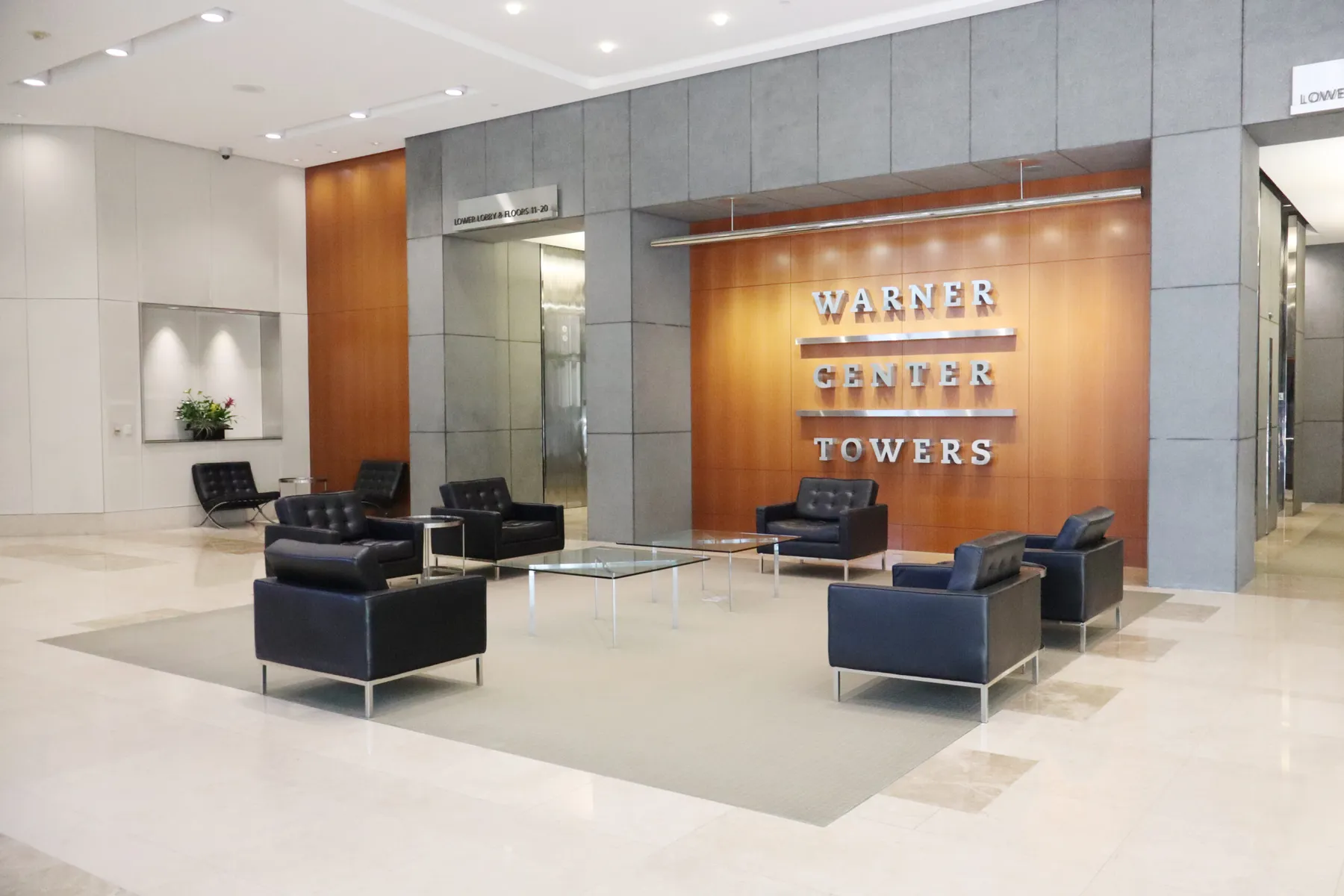
Warner Center Towers, 21600 Oxnard Street, Suite 270, in Woodland Hills. We’re on the second floor, close to the 101. Tours are available on request.
No match. Call admissions at (747) 320-9575 and ask a real person.
Plan your next step
Not sure where you’d fit on the path? Call and tell us what’s going on. We’ll help you sort out the next step, even if it isn’t us.
Admissions · day or night
(747) 320-9575Certified by the State Department of Health Care ServicesOutpatient program No. 191236AP · expires 5/31/2027Joint Commission accreditedLegitScript certified
In an emergency, call 911.
In a mental health crisis, call or text 988 any time. SAMHSA’s free, private National Helpline: 1-800-662-4357.
This page shares general information, not medical advice.